September 2026 · 4 min read · Delaney Construction Projects
How can you make your home more energy efficient?
Energy efficiency isn't just about lowering bills — it's about comfort, sustainability, and long-term value. Whether you're renovating, extending, or building new, there are a range of approaches that can significantly improve the way your home performs.
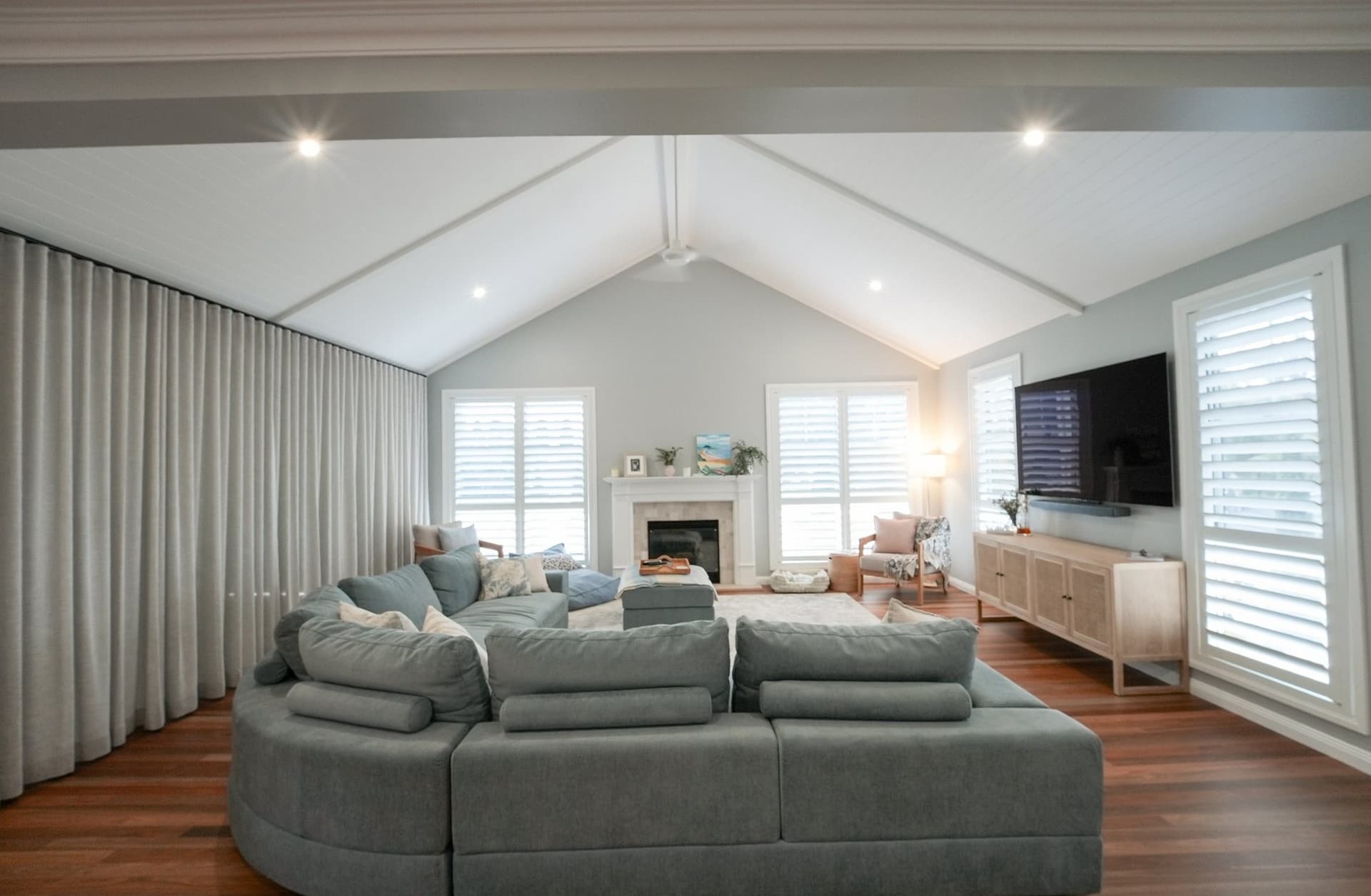
1. Passive design principles
The cheapest energy is the energy you never need to use. Passive design works with the site and the climate before any system is switched on:
- Orientation & Natural Light – positioning windows and living spaces to capture northern light reduces heating needs in winter while avoiding summer overheating
- Cross Ventilation – placing windows and openings to allow breezes through the home helps cool naturally without relying on air-conditioning
- Insulation & Glazing – high-quality insulation in walls, ceilings, and floors, combined with double glazing, helps regulate temperature year-round
2. Smarter materials and construction choices
What the home is built from, and how carefully it's put together, changes how it performs:
- Roofing & Cladding – lighter-coloured, reflective finishes can reduce heat gain
- Thermal Mass – materials like concrete or brick can absorb daytime warmth and release it slowly at night, balancing temperature swings
- Air Sealing – small gaps around windows, doors, and services can cause major energy loss; sealing them properly improves efficiency dramatically
3. Energy-efficient systems
The systems that heat, cool, light and warm water are where most of a home's running cost sits:
- Heating & Cooling – modern reverse-cycle systems and zoning controls help reduce wasted energy
- Lighting – LED lighting throughout the home cuts consumption while providing better quality light
- Hot Water – heat-pump or solar hot water systems are far more efficient than conventional electric storage
4. Renewable energy options
Once demand is reduced, generating your own power covers much of what's left:
- Solar Panels – a well-sized solar PV system can offset most of a household's electricity use
- Battery Storage – helps maximise solar use and reduce reliance on the grid
5. Water and resource efficiency
Efficiency isn't only about electricity:
- Rainwater Tanks – capturing rainwater for toilets, laundry, and gardens reduces mains water demand
- Efficient Fixtures – low-flow taps, showerheads, and dual-flush toilets save significant amounts of water and energy
Renovation vs extension vs new build
Where you are in the building journey shapes what's possible:
- Renovations – efficiency improvements can be made with upgrades like insulation, sealing, window replacement, and efficient appliances
- Extensions – provide the opportunity to design new areas with passive design in mind, reducing long-term energy demand
- New Builds – the most cost-effective stage to integrate energy efficiency from the ground up
Our approach to energy efficiency
Energy efficiency in building is always evolving, with new products, systems, and methods constantly entering the market. At Delaney Construction Projects, we make it a priority to stay up to date with the latest innovations — from smart materials to renewable technologies — so we can advise our clients on solutions that deliver the best performance and value.
This means when you build with us, you're not just building for today — you're building a home that's ready for the future.
Common questions
- What is passive design?
- Designing the home to work with the climate before any system is switched on — orienting windows and living spaces to capture northern light, placing openings for cross ventilation, and using high-quality insulation with double glazing to regulate temperature year-round.
- Can I make an existing home more energy efficient without extending?
- Yes. On a renovation, the practical upgrades are insulation, air sealing, window replacement and efficient appliances — plus system changes like reverse-cycle heating and cooling with zoning, LED lighting, and heat-pump or solar hot water.
- When is the most cost-effective time to build in energy efficiency?
- A new build is the most cost-effective stage to integrate energy efficiency from the ground up. An extension is the next opportunity, since new areas can be designed with passive design in mind from the start.